
Persistent heavy rain and flooding risks across Swansea and South West Wales mean more breakdowns, longer stopping distances and far more dangerous driving conditions, especially around known hotspots like Cwmbwrla, Killay and key routes into the city. When things do go wrong in this weather, having fast, local “recovery near me” support from a trusted Swansea-based team makes a huge difference to safety and stress levels.
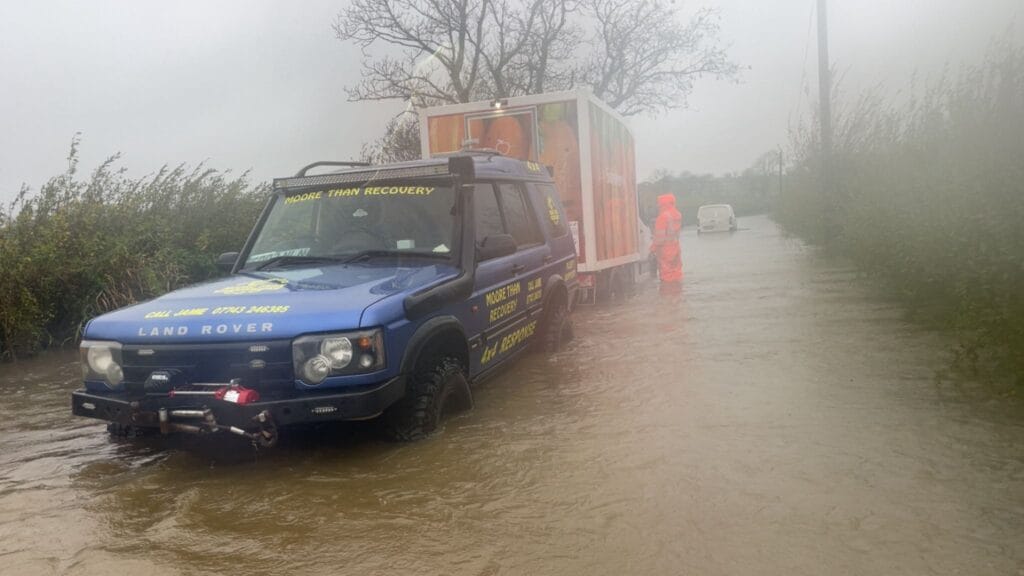
Over the past few months, Swansea, Neath Port Talbot and Bridgend have seen repeated yellow rain warnings, with some systems bringing close to a month’s worth of rain in 24 hours on already saturated ground. This has led to frequent surface water and flood incidents on main approaches into Swansea and in local areas including Killay, Cwmbwrla and Manselton, causing closures, stranded vehicles and long delays.
Why recovery matters in bad weather
When the rain is relentless, breakdown and accident risks rise sharply as visibility drops, roads flood and tyres struggle for grip. Car Recovery Swansea services like Moore Than Recovery are busiest during these periods, helping drivers whose vehicles have cut out in floodwater, slid into kerbs or barriers, or simply refused to start after getting soaked.
Trying to “limp home” in a damaged or partially flooded vehicle can turn a bad situation into a very expensive one, especially if water has entered the engine or electrics. Calling a local “recovery near me” service promptly protects you, your passengers and your vehicle, and ensures you are moved quickly to a safe location, garage or home address across Swansea, Neath, Port Talbot, Llanelli and surrounding areas.
Key wet weather driving tips
Driving in heavy rain needs a different mindset: everything should be slower, smoother and more cautious than in the dry. The Highway Code and major motoring organisations advise at least doubling your normal following gap in the wet, because stopping distances are at least twice as long when tyres have less grip on a soaked surface.
Essential tips for Swansea drivers in storms include:
Reduce your speed well below the limit and leave at least a four‑second gap to the vehicle in front.
Use dipped headlights so you can see and be seen, but avoid rear fog lights which can dazzle and hide your brake lights.
Steer and brake gently to reduce the risk of skidding or triggering ABS on standing water.
Aquaplaning, tyres and stopping distances
Heavy standing water across Swansea’s main routes – especially where drains struggle to cope – makes aquaplaning a real concern. Aquaplaning happens when your tyres ride up on a layer of water instead of staying in full contact with the road, which can suddenly make the steering feel very light and unresponsive.
Good tyres are your first line of defence in this kind of weather: new tyres start at around 8 mm of tread depth, while the UK legal minimum is 1.6 mm, and tests show stopping distances from 50 mph in the wet can be more than 10 metres longer on tyres worn close to that limit. Regularly checking tread and pressures before long journeys around Swansea, Neath and the Gower reduces the chance of losing control or sliding into standing water in the first place.
Floodwater: when to stop and call for help
One of the biggest dangers in storms like those recently affecting South West Wales is drivers attempting to cross floodwater. Emergency services and flood agencies repeatedly stress that just 30 cm of fast‑flowing water can be enough to float and move a car, and that water is often deeper than it looks at roundabouts, underpasses and dips in the road.
If you cannot clearly see the road surface or gauge the depth, the safest option is to turn around and find an alternative route, even if it adds time to your journey. If you stall or become stuck in water, get everyone out safely to higher ground if it is safe to do so, then contact a professional recovery Swansea service rather than repeatedly trying to restart a potentially water‑logged engine.
What to do if you break down in heavy rain
Breaking down in torrential rain can be stressful, but a calm, step‑by‑step approach keeps everyone safer until help arrives. Where possible, pull as far left and as far away from moving traffic as you can, switch on your hazard lights, and keep seatbelts on while you assess the situation.
On faster or busier routes, it is often safer for occupants to exit the vehicle on the left‑hand side and move behind a barrier or up a bank where available, especially if visibility for other drivers is very poor. Once safe, call a trusted local “recovery near me” provider, give a clear description of your location (junctions, landmarks, nearby villages such as Morriston, Gorseinon, Clydach or Mumbles), and mention any floodwater or hazards nearby so the recovery driver can plan the safest approach.
Planning ahead for future storms
With the Met Office expecting more frequent periods of intense rainfall and repeated yellow warnings for Wales, planning ahead is becoming part of everyday motoring. Checking the forecast and live warnings before longer trips around Swansea, Neath Port Talbot, Bridgend, Carmarthenshire and Pembrokeshire allows you to avoid the worst of the weather or reroute away from known flood‑prone spots.
It also pays to keep an emergency kit in the car during storm season – warm clothing, a torch, phone charger, basic warning triangle (where appropriate), and any medication you might need if delayed. Saving the details of a reliable 24/7 recovery Swansea service in your phone in advance means that if you do need “recovery near me” in the rain, help is only one call away, rather than something you have to frantically search for at the roadside.